Have you ever noticed how looking at the ocean, walking through a garden, or listening to the gentle sounds of nature can bring a sense of calm?
When life feels overwhelming, connecting with nature may offer a moment of relief. Research suggests that even brief exposure to natural environments, including photographs and videos, may support physiological relaxation and stress recovery.
For individuals navigating trauma, anxiety, or chronic stress, nature can be an accessible and supportive resource for nervous system regulation.
Understanding Trauma and the Nervous System
The autonomic nervous system plays an important role in how we respond to stress, safety, and our surroundings. It regulates automatic bodily functions such as heart rate, breathing, and digestion.
When we experience trauma, our threat responses may continue even after the immediate danger has passed. This can show up as:
-
Feeling constantly alert or on edge
-
Difficulty relaxing or sleeping
-
Emotional overwhelm
-
Muscle tension and restlessness
-
Emotional numbness or disconnection
-
Difficulty concentrating
These responses may reflect the body's efforts to protect itself.
Nervous system regulation is not about eliminating stress or remaining calm all the time. It is about developing the flexibility to respond to challenges and gradually recover from them.
What Does Science Say About Nature and Stress Recovery?
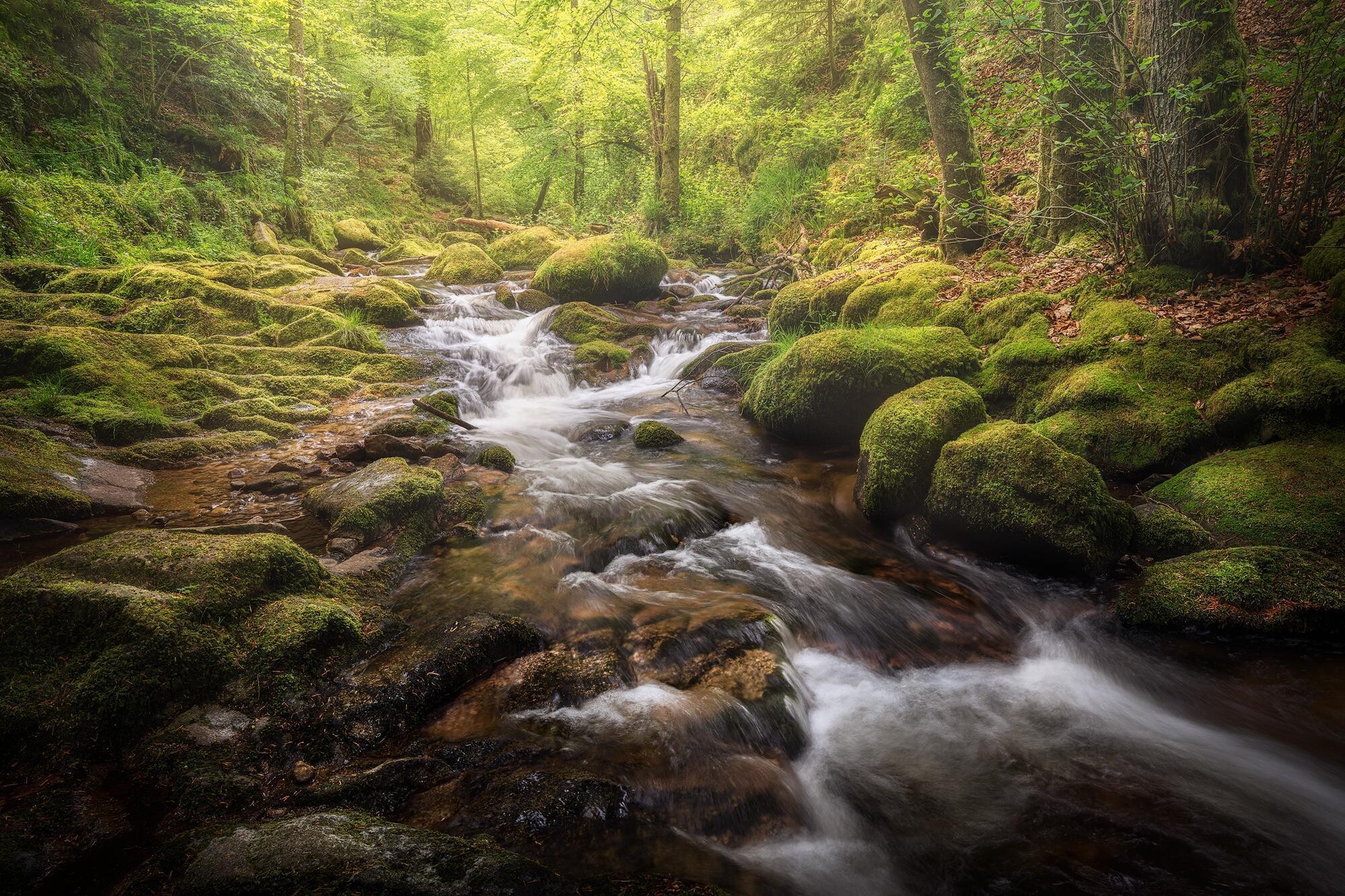
Even looking at nature may promote relaxation
A 2019 systematic review by Jo, Song, and Miyazaki examined 37 research articles investigating the physiological benefits of viewing nature indoors.
Many studies reported beneficial physiological responses when participants viewed natural environments through photographs, videos, virtual reality, or real natural elements.
These included:
-
Reduced physiological arousal
-
Changes in heart activity associated with relaxation
-
Changes in brain activity associated with restorative experiences
-
Improvements in certain measures of autonomic nervous system function
The findings suggest that connecting with nature does not always require spending extended periods outdoors. Looking at greenery through a window or viewing natural scenery may also offer benefits (Jo et al., 2019).
However, many studies involved small groups of participants, and further research is needed.
Can five minutes of nature make a difference?
In a 2012 study, Gladwell and colleagues examined participants' physiological responses while viewing natural and built environments.
After five minutes of viewing natural scenery, participants demonstrated increases in measures of heart rate variability (HRV) associated with parasympathetic nervous system activity, which contributes to rest and recovery.
Although average heart rate and blood pressure did not change significantly, the findings suggest that brief nature exposure may influence autonomic function (Gladwell et al., 2012).
A separate study by Brown and colleagues (2013) found that viewing natural scenery before a stressful task supported certain aspects of autonomic recovery afterward.
While five minutes can be a helpful starting point, it is not a universal prescription. Everyone responds differently.
Nature Through the Lens of Polyvagal Theory
Developed by Dr. Stephen Porges, Polyvagal Theory offers a framework for exploring the relationship between autonomic nervous system responses, perceived safety, and social connection.
For individuals who have experienced trauma, environments that feel predictable, comfortable, and non-threatening may create opportunities for relaxation.
Natural environments can offer gentle sensory experiences, such as the movement of leaves, the sound of flowing water, warm sunlight, and the rhythmic movement of ocean waves.
These experiences may help some individuals feel more grounded and connected to the present moment.
Although Polyvagal Theory is used in some trauma-informed therapeutic approaches, aspects of its proposed biological mechanisms remain scientifically debated (Porges, 2007; Grossman, 2023). Research supporting the relaxation benefits of nature does not necessarily establish the mechanisms proposed by the theory.
How Nature May Support Trauma Recovery
Trauma recovery often involves developing a greater sense of safety, rebuilding trust, and learning to recognize emotional and physical needs.
Nature may complement this process by providing opportunities to:
-
Practice grounding and present-moment awareness.
-
Take a break from overwhelming stimulation.
-
Develop awareness of bodily sensations.
-
Experience moments of comfort and connection.
-
Establish gentle, restorative routines.
However, nature does not feel safe or calming for everyone. Certain environments, sounds, or sensations may trigger uncomfortable memories.
A trauma-informed approach emphasizes personal choice, comfort, and flexibility rather than forcing relaxation.
Five Gentle Ways to Connect With Nature
1. Take a short nature break.
Sit outside, look through a window, or watch a peaceful nature video.
2. Practice sensory grounding.
Notice the colors of leaves, the temperature of the air, or the sounds around you. Focus on sensations that feel comfortable.
3. Bring nature into your space.
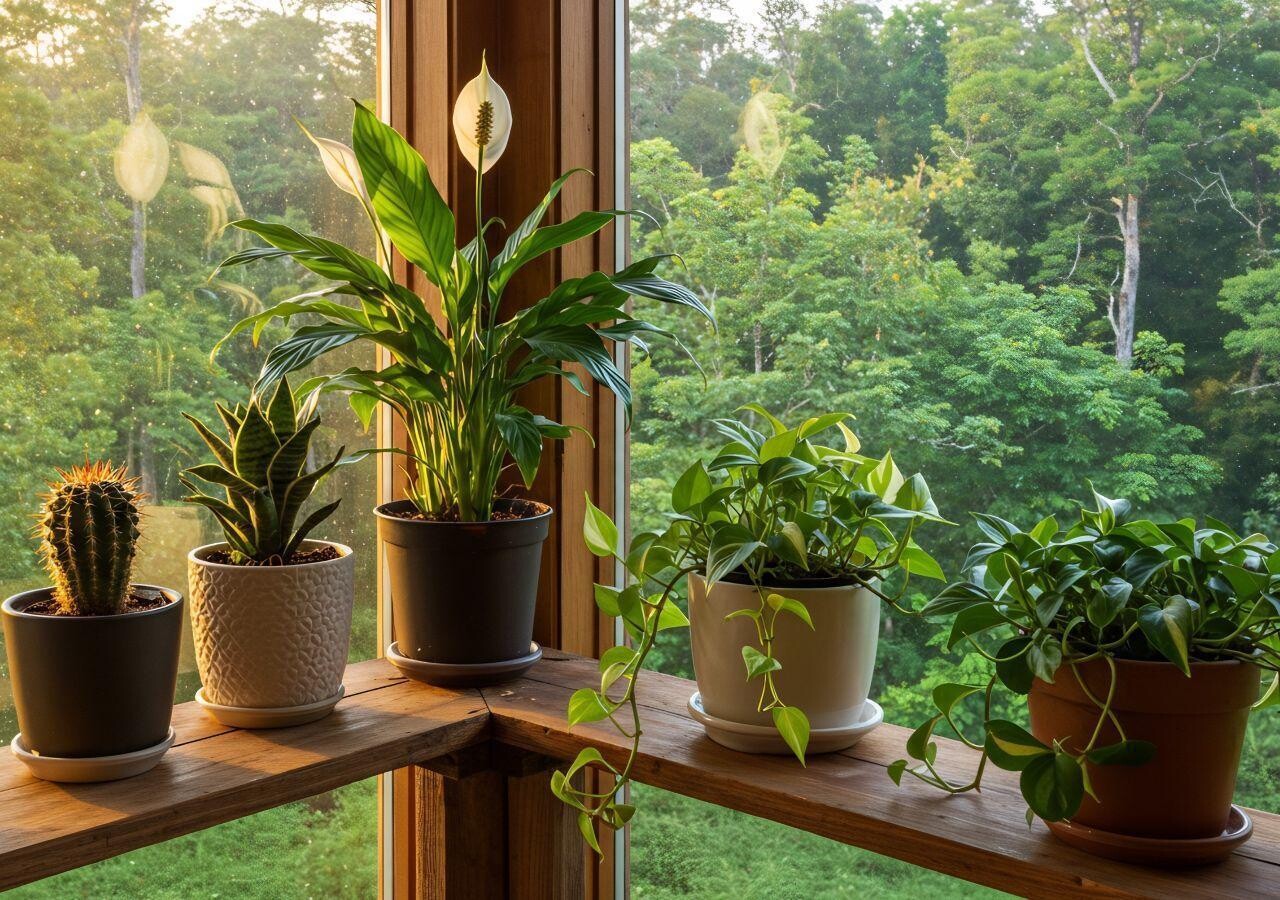
Consider adding indoor plants, fresh flowers, or natural landscape photographs to your home or workspace.
4. Try gentle outdoor movement.
Take a comfortable walk in a familiar environment without focusing on speed, distance, or productivity.
5. Notice how your body responds.
Gently check in with your breathing, muscle tension, and emotional state. Observe your experience without judgment or expectations.
Healing Does Not Have to Be Rushed
Nervous system regulation is a gradual and personal process. Some days, connecting with nature may bring comfort. On other days, it may make little difference.
Nature is not a cure for trauma or a replacement for professional mental health treatment. However, it can be a supportive resource alongside therapy and other evidence-based approaches to recovery.
Working with a trauma-informed therapist can help you explore regulation strategies that honor your individual experiences and needs.
Today, give yourself permission to spend a few moments connecting with nature in a way that feels comfortable.
Healing is not about forcing yourself to feel calm. It is about creating opportunities for safety, connection, and care at your own pace.
References
Brown, D. K., Barton, J. L., & Gladwell, V. F. (2013). Viewing nature scenes positively affects recovery of autonomic function following acute-mental stress. Environmental Science & Technology, 47(11), 5562–5569.
https://doi.org/10.1021/es305019p
Gladwell, V. F., et al. (2012). The effects of views of nature on autonomic control. European Journal of Applied Physiology, 112, 3379–3386.
https://doi.org/10.1007/s00421-012-2318-8
Grossman, P. (2023). Fundamental challenges and likely refutations of the five basic premises of the polyvagal theory. Biological Psychology, 180, 108589.
https://doi.org/10.1016/j.biopsycho.2023.108589
Jo, H., Song, C., & Miyazaki, Y. (2019). Physiological benefits of viewing nature: A systematic review of indoor experiments. International Journal of Environmental Research and Public Health, 16(23), 4739.
https://pmc.ncbi.nlm.nih.gov/articles/PMC6926748/
Porges, S. W. (2007). The polyvagal perspective. Biological Psychology, 74(2), 116–143.
https://doi.org/10.1016/j.biopsycho.2006.06.009
Disclaimer: This article is for educational and informational purposes only and is not a substitute for professional mental health advice, diagnosis, or treatment.